
No matter your age or stage of life, strong social connections rely on strong communication skills. Even for adults, it can be challenging to know what to say or how to read nonverbal cues. For children, navigating the connection between communication and social relationships can be even more difficult, as they are still learning how speech and language work while figuring out how to use those skills with peers.
If speech or language challenges make social situations harder for your child, pediatric speech therapy can help. Therapy supports your child in building the communication skills needed to participate in conversations, understand social expectations, and feel more confident forming friendships.
How Communication Impacts Your Child’s Social Connections
Social interaction involves much more than the words your child says. It is an ongoing exchange that requires your child to follow the flow of a conversation, adjust their language as topics change, and pick up on nonverbal cues such as facial expressions and tone of voice.
When your child trusts their ability to understand and use language, they are more likely to advocate for themselves, engage with peers, and enjoy shared experiences. But if your child feels like they are only understanding parts of a conversation or are not being fully understood by their friends, social situations can become frustrating or exhausting. Over time, they may feel intimidated conversing and may withdraw from social interactions.
Signs Your Child Is Struggling With Social Communication
If your child is having difficulty using language in social situations, you might notice they:
- Don’t have the vocabulary to express themselves fully
- Take things very literally and miss out on jokes or sarcasm
- Have difficulty organizing their thoughts to tell a story or explain a game
- Struggle to stay on topic
- Miss cues that tell them when it is their turn to speak or when a conversation is ending
- Hesitate to start conversations or rarely speak up in social settings
How Speech Therapy Supports Social Communication
Speech therapy supports the communication skills your child needs to connect with others in meaningful ways. Rather than focusing only on speech sounds, therapy looks at how your child understands language, responds to others, and uses communication to build relationships.
While each child’s goals are unique, the overall aim of therapy is to help your child learn how to:
- Start a conversation and keep it going with a friend
- Listen for key information and respond in a way that shows understanding
- Recognize social cues, such as when a friend wants a turn or is finished playing
- Express thoughts and feelings clearly, even as ideas become more complex
As these skills develop, social interactions often begin to feel more natural and enjoyable. Your child may feel more confident participating in conversations, navigating friendships, and engaging with others in everyday settings.
What Speech Therapy May Look Like for Your Child
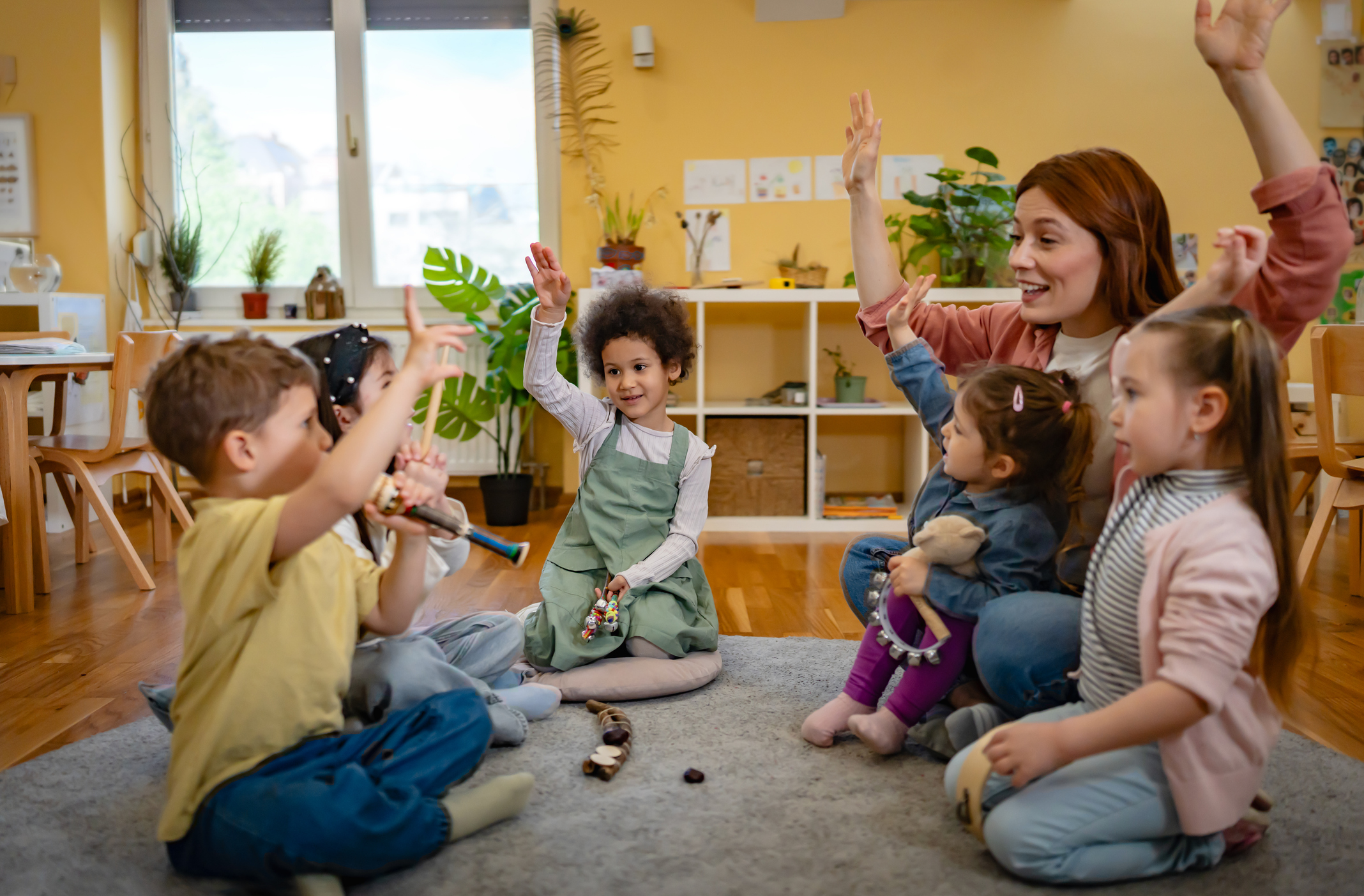
Speech therapy sessions are motivating, play-based, and designed to help your child practice social communication in real-life contexts. A speech therapist uses activities that feel engaging while gently guiding your child through new social challenges in a supportive space.
Activities may include:
- Playing out common social situations, such as asking a friend to share a toy
- Using games to practice conversational flow, including turn-taking and staying on topic
- Learning to notice and respond to verbal and nonverbal cues like facial expressions or tone of voice
- Working on articulation and vocabulary so your child can express ideas clearly and confidently
With the guidance of a speech therapist, your child can explore social communication without fear of making mistakes. Therapy provides a safe place to practice skills that carry over into interactions at home, at school, and with peers.
Reach Out to JLD Therapy for Support
If you have concerns about your child’s social communication skills and live in the San Jose, CA, area, JLD Therapy is here to help. Call us today at (408) 337-2727 or fill out our online contact form to schedule an evaluation. We look forward to supporting your child as they build confidence and meaningful social connections.