
Communication plays a big role in how your child connects with the world. From asking for help, to making friends and sharing ideas, communication allows your child to express who they are and what they need. It is the foundation for almost every interaction they have.
But if communication feels difficult for your child, they may become frustrated or hesitant to speak up. They might even begin to withdraw from social situations or participating in class. Pediatric speech therapy supports your child in building the skills and confidence needed to communicate more clearly and comfortably in everyday life.
Signs of Communication Difficulties in Children
Communication challenges can show up in different ways depending on your child’s age. Some children have trouble pronouncing certain sounds, while others struggle to put their thoughts into words or follow a conversation.
You might notice your child:
- Struggling to express their needs or feelings
- Becoming frustrated when others do not understand them
- Using fewer words than expected for their age
- Avoiding speaking in group settings or with new people
- Having difficulty understanding directions or questions
When these moments happen often, your child may begin to lose confidence. They may have a lot they want to say, but the fear of being misunderstood makes them stay quiet.
Why Confidence Is Key to Communication
Confidence plays a key role in whether your child feels comfortable trying to communicate in the first place. If your child worries about being misunderstood or appearing “stupid,” they may speak less or rely on gestures instead of words. Over time, this can affect friendships and how they participate in the classroom.
Building communication confidence helps your child feel safe taking risks. It allows them to practice new skills and engage with others without the fear of making a mistake.
How Speech Therapy Supports Confidence
Pediatric speech therapy focuses on strengthening your child’s communication skills while building the confidence needed to use them in daily life.
A speech therapist begins by understanding how your child currently communicates and identifies what feels the most challenging for them. Then they create a therapy plan specific to your child’s individual needs.
Therapy sessions are designed to be engaging and encouraging. As your child experiences small successes in therapy, they often build confidence and begin to feel better about expressing themselves at home, in school and during play.
What Speech Therapy May Look Like
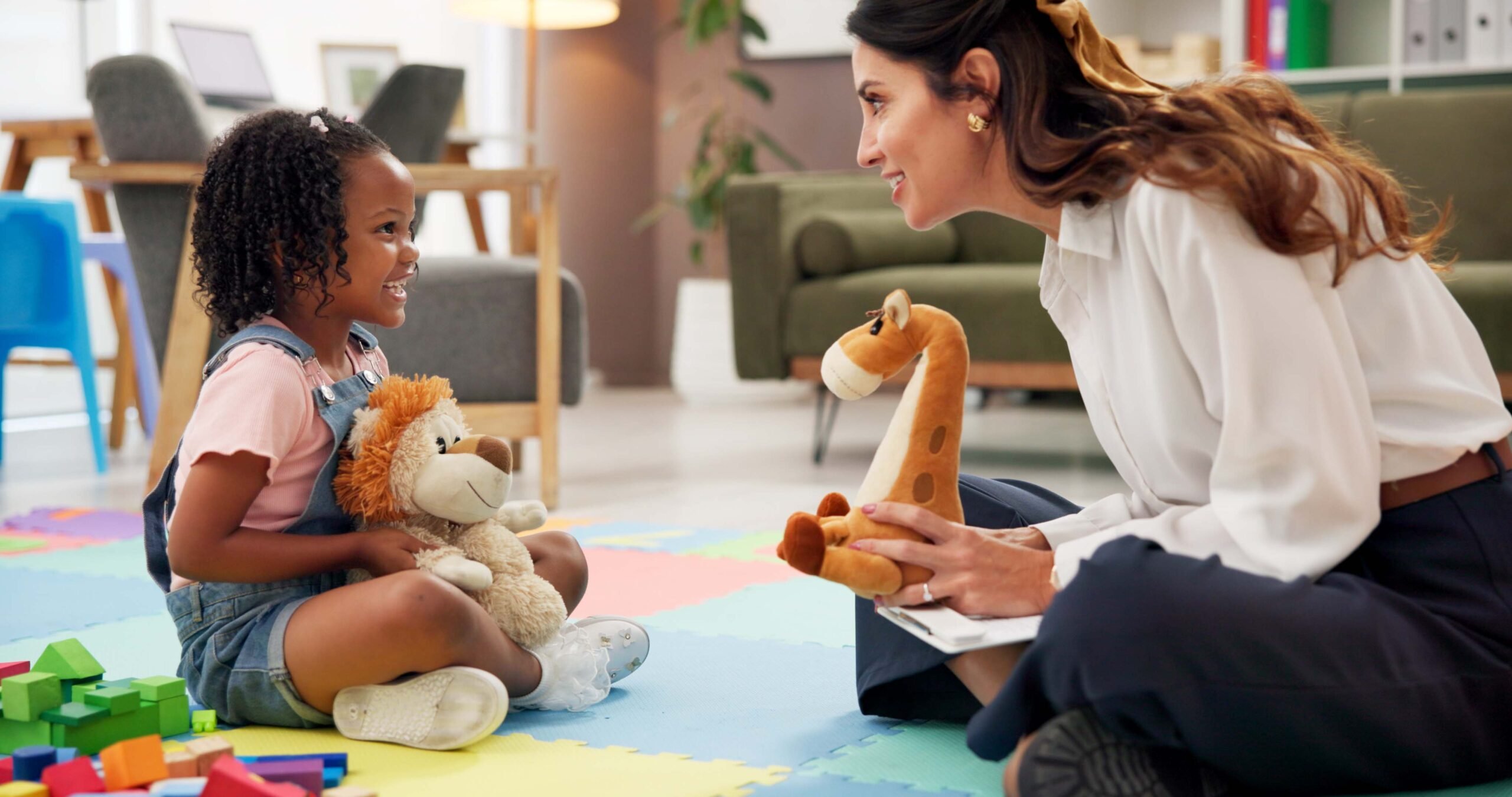
Therapists use playful activities to help your child practice real-life communication in a fun, low-pressure environment. These activities might involve:
- Turn-taking games to practice waiting, listening, and responding during conversations
- Storytelling to help organize thoughts
- Role-playing to practice common social interactions
- Simple games that encourage asking and answering questions
- Practicing correct pronunciation so your child can be understood more clearly during conversations
Through these experiences, your child learns that communication does not have to be perfect to be effective. Over time, these positive experiences help your child engage more comfortably in the world around them.
Reach Out to JLD Therapy for Support
If you are concerned about your child’s communication skills and live in the San Jose, CA, area, JLD Therapy is here to help. Call us today at (408) 337-2727 or fill out our online contact form to schedule an evaluation. We look forward to helping your child find their voice and use it confidently.