
From the moment your child is born, they begin making sense of the world through their bodies. Every time they feel the softness of a blanket, hear your voice, or taste a new food, they are having a sensory processing experience.
“Sensory processing” simply refers to how their bodies take in information through their senses and how their brains process that information. For many children, this process is an exciting adventure. They eagerly dive into new textures and sounds. However, for others, the world can feel too loud or too scratchy.
If your child hesitates during messy play or reacts strongly to certain smells or textures, they may be struggling to process these daily experiences. Pediatric occupational therapy can help them navigate these moments in a way that feels safe and supportive.
Why Sensory Exploration Matters for Development
Sensory exploration is the primary way your child’s brain gathers information. By using their senses, children build the foundation for more complex skills later in life.
When your child explores different textures or movements, they are doing much more than just playing. They are learning how to:
- Understand where their body is in relation to objects around them
- Learn how to move their limbs to achieve a goal, like climbing or reaching for a toy
- Identify the difference between hard and soft, or heavy and light
For most children, this process happens naturally. However, if your child finds certain sensations uncomfortable, they may stop exploring. This avoidance can slow down the development of important developmental skills.
Signs of Sensory Challenges in Children
When your child has difficulty processing information from their environment, daily life can become stressful for the whole family. For some children, certain sensations feel as intense as an alarm going off in their body. Other children may seek out strong movement or pressure to help their bodies feel calmer.
These challenges often show up as:
- Shying away from finger painting, sand, or water play
- Becoming upset or shutting down in loud or busy environments
- Resisting certain clothing textures, seams, or grooming tasks like hair brushing
- Looking for constant high intensity movement, such as spinning, jumping, or crashing into furniture
Over time, these responses can limit your child’s confidence. They may begin to avoid new situations to stay within their comfort zone, which is where occupational therapy can help.
How Occupational Therapy Supports Sensory Exploration
Pediatric occupational therapy focuses on helping your child feel more comfortable as they interact with the world. A therapist looks at how your child processes sensory information and designs activities that gently support their needs.
For example, if your child is sensitive to certain sensations, therapy introduces new experiences gradually and playfully, helping them build trust in their body. And if your child craves sensory input, therapy may include safe opportunities to jump, push, pull, or move in ways that help their body feel comfortable and settled. The goal is to help your child learn strategies to stay calm even when the world around them gets a little louder or messier.
Supporting Sensory Exploration Through Play
In an occupational therapy session, play is the most effective tool available. Activities are intentionally chosen to challenge your child without causing distress. These might include:
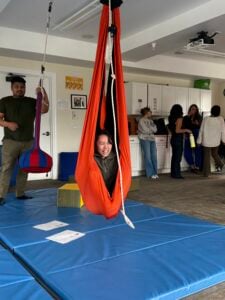
- Climbing, swinging, or pushing a weighted cart to help with body awareness
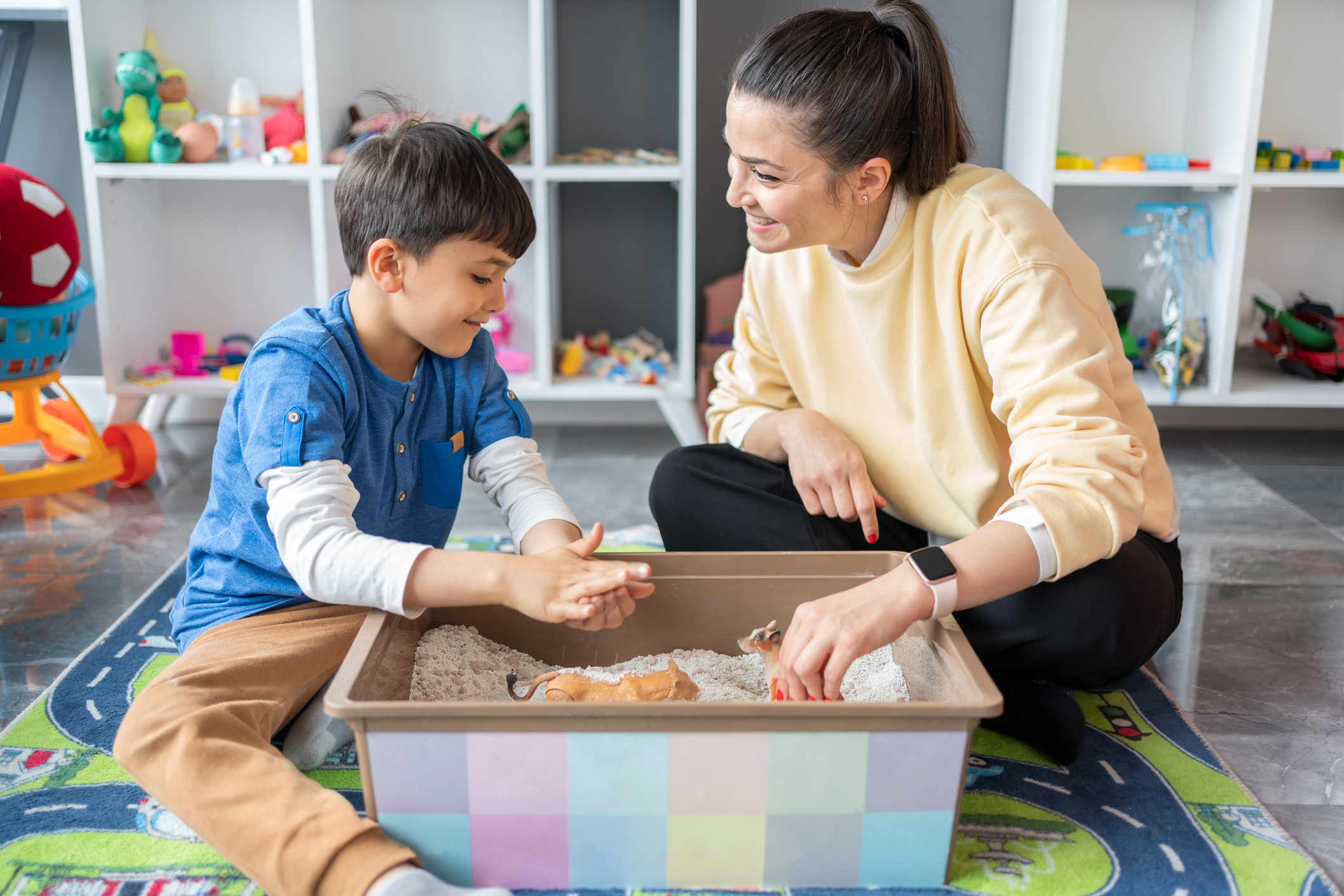
- Using materials like shaving cream or bins filled with rice to help them get used to different textures
- Practicing balance and coordination through carefully guided movement
Because these activities feel like a game, your child may become more comfortable taking risks in the therapy room. This curiosity may eventually carry over into the real world. The goal is to make real-life activities like getting dressed for school or sitting in a classroom feel much more comfortable for them.
Reach Out to JLD Therapy for Support
If your child needs help processing different sensations and you live in the San Jose, CA, area, JLD Therapy is here to help. Our team offers pediatric occupational therapy designed to support sensory exploration and everyday participation. Call us today at (408) 337-2727 or fill out our online contact form to schedule an evaluation.