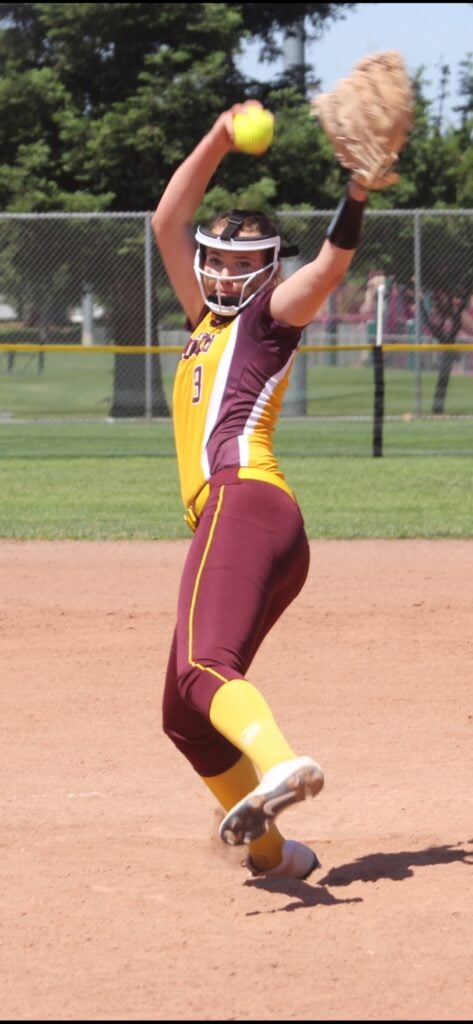

Running, jumping, climbing, and playing are all part of how your child explores the world. These activities rely on coordination and strength, which help your child move with confidence and take part in everyday routines. When these physical skills feel easy, your child is free to focus on having fun and learning.
However, when coordination or strength feels challenging, your child may avoid certain activities or tire more easily than expected. Pediatric physical therapy supports your child in building the strength, balance, and coordination needed to move comfortably and confidently in daily life.
How Coordination and Strength Work Together
It helps to think of strength and coordination as a matching set. Strength provides the power needed to move the body, while coordination provides control. Your child needs both to navigate their world successfully.
When these two skills work together, your child can:
- Maintain steady posture while sitting at a desk or standing in line
- Switch between movements smoothly, such as running and then stopping to kick a ball
- Use the right amount of force for tasks like climbing a ladder or jumping over a puddle
- Protect joints and muscles by moving in a balanced, aligned way
When the body moves efficiently, it uses less energy. This means your child has more stamina for a full day of school and play.
Signs of Coordination and Strength Challenges in Your Child
Every child develops physical skills at their own pace, but some children need extra support to build a strong foundation. If your child is struggling with coordination and strength, you might notice them:
- Struggling to keep up during outdoor play
- Appearing unsteady or clumsy when running, jumping, or climbing
- Tiring quickly or wanting to be carried during short walks
- Avoiding playground equipment like slides or swings
- Having difficulty with movements that require balance, such as standing on one foot
These challenges are not a reflection of your child’s effort. They often mean your child’s muscles need more strength or that their brain and body need more practice working together in sync.
How Physical Therapy Supports Coordination and Strength
Pediatric physical therapy focuses on helping your child build physical skills in a way that feels supportive and achievable. A physical therapist begins by understanding how your child moves and identifying specific areas where extra strength or coordination is needed. Then the therapist creates an individualized plan that’s tailored to your child and their goals.
Rather than pushing your child beyond their limits, therapy builds skills gradually. This allows your child to experience small successes along the way while keeping them motivated. Over time your child gains strength, and movements that once felt difficult can begin to feel easier and more controlled.
What a Physical Therapy Session May Look Like
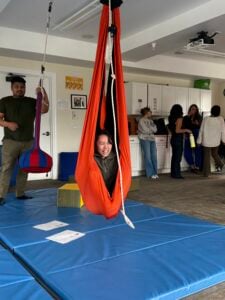
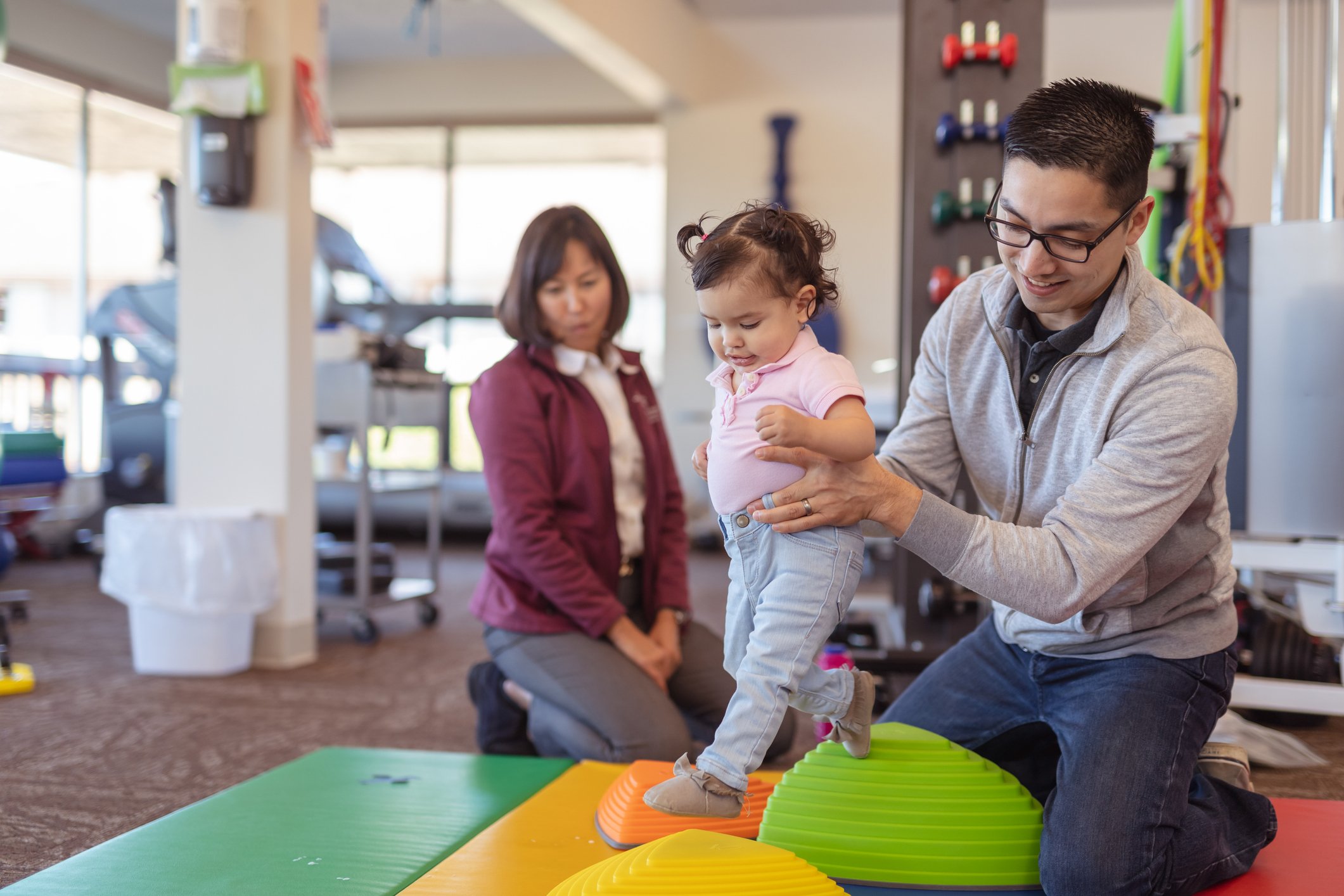
Therapy sessions use play-based activities designed to challenge your child while still feeling safe and encouraging. Sessions are tailored to your child’s interests so the work feels like play. Activities may include:
- Practicing balance through guided movement and balancing games
- Strengthening core and limb muscles using age-appropriate exercises
- Improving coordination with climbing, jumping, or obstacle courses
- Building endurance through playful, whole-body activities like crab walks
Over time, the skills your child learns in therapy will carry over into their daily life, helping them feel more confident moving their body in everyday situations at home and at school.
Reach Out to JLD Therapy for Support
If you are concerned that your child needs help with strength and coordination and you live in the San Jose, CA area, JLD Therapy is here to help. Call us today at (408) 337-2727 or fill out our online contact form to schedule an evaluation. We look forward to helping your child build the strength and coordination they need to move comfortably and confidently in daily life.