
Whether your child is sprinting across a soccer field, navigating a crowded hallway at school, or stepping over a Lego on the living room floor, their body is constantly coordinating balance and movement. In fact, balance and movement share a reciprocal relationship: as your child moves, they practice and refine their balance, which gives them the confidence to explore and move even more.
But when your child does not fully trust their ability to stay balanced, it can make them hesitant about participating in physical activities. Pediatric physical therapy can help your child improve their balance, so they feel confident and stable moving through daily life.
The Relationship Between Balance and Movement
Balance plays a major role in how confident your child feels using their body. That’s because the connection between balance and movement is a continuous feedback loop. When your child feels confident in their ability to balance, they are more likely to run, climb and explore more. That exploration, in turn, helps their brain fine-tune their balance, giving them a head start on the physical skills they’ll use for years to come.
But when balance feels unreliable, your child may avoid certain activities to prevent getting hurt or feeling embarrassed. Over time, this can lead to sitting out during group play or physical activities, or moving less often. This can create fewer opportunities to practice balance, which can make movement feel even more difficult.
Signs of Balance Difficulties in Your Child
Balance and movement challenges can look different for every child. However, the following signs may suggest your child could benefit from extra support:
- Appearing unsteady or wobbly when walking or running
- Falling or tripping often
- Moving cautiously or appearing stiff during play
- Avoiding activities that involve climbing, jumping, or standing on one foot
- Having difficulty navigating stairs, curbs, or sloped ground
How Physical Therapy Helps Build Balance Confidence
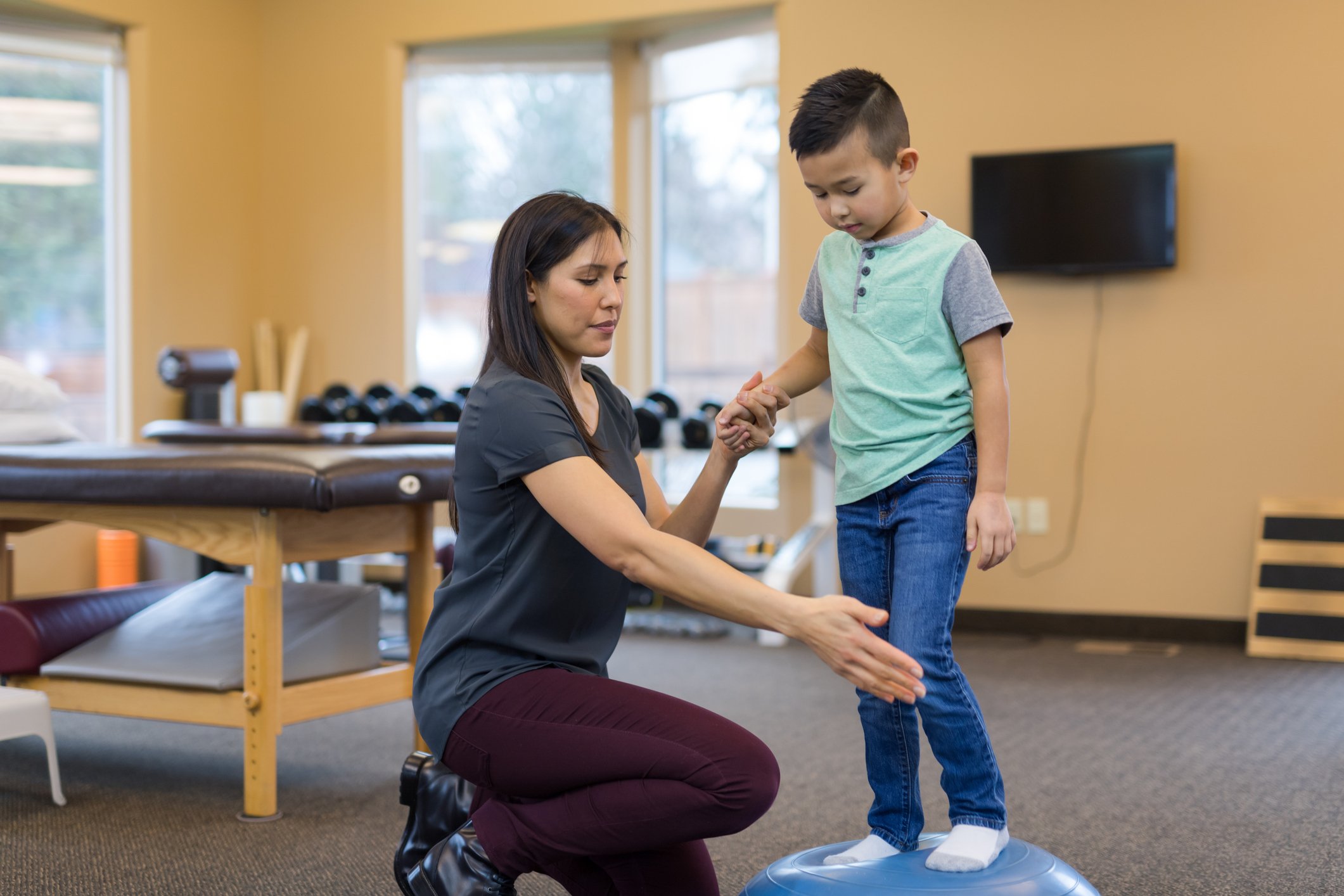
Balance plays an active role in how your child moves. It affects how the body responds to shifts in position, changes in direction, and differences in surface, such as stepping onto uneven ground, turning quickly during play, or regaining stability after a small loss of balance. Pediatric physical therapy helps your child learn how to adjust their posture, shift their weight, and respond to movement in real time.
By practicing these skills in a safe and supportive environment, your child begins to trust their body’s ability to recover and stay steady. This growing confidence can make movement feel less stressful and more natural, allowing your child to keep up with friends, excel in school activities, and explore their world with independence.
What Pediatric Physical Therapy Sessions May Look Like
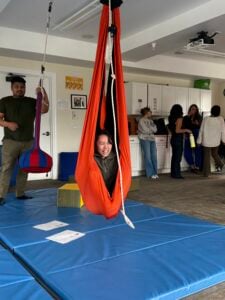
A pediatric physical therapist creates an individualized therapy plan that focuses on helping your child feel steady while moving through their environment. Therapy sessions are play-based and designed to challenge balance in ways that feel engaging and achievable.
Activities may include:
- Practicing balance while stepping, reaching, and changing directions during play
- Navigating obstacle courses that challenge balance while walking, climbing, or turning
- Standing up from the floor or stepping onto raised surfaces to build balance during everyday transitions
- Playing movement-based games that encourage stability, coordination, and controlled movement
As your child gains experience balancing while moving, their body becomes more efficient at responding to shifts in position and changes in surface. Over time, movement can begin to feel smoother, more controlled, and less tiring, helping your child move with ease, allowing them to focus on learning and making social connections at home and school.
Reach Out to JLD Therapy for Support
If you have concerns about your child’s movement or balance and live in the San Jose, CA, area, JLD Therapy is here to help. Call us today at (408) 337-2727 or fill out our online contact form to schedule an evaluation. We look forward to helping your child feel steadier and more confident so they can move freely and joyfully throughout their day.