
If your child seems constantly on the move, seeks big hugs or rough play, or has a hard time calming their body to focus or rest, proprioception may play an important role. Proprioceptive input helps children understand where their bodies are in space and can support regulation, attention, and calming throughout the day.
My name is Poonam. I’m an occupational therapist at Joy and Laughter Developmental Therapy. Today, we’re going to talk about why proprioception matters and how it’s important for regulation and attention.
What Is Proprioception?
Proprioception is how our brain and body know where we are in space. It’s our body awareness and awareness of our joints.
For example, right now I’m sitting in a chair. My body knows I’m sitting and not standing. My hands are on my knees, my feet are on the floor, and I’m not falling, so my body is in a relaxed posture.
If the chair were rocking and I felt like I might lose my balance, my attention would shift to making sure I don’t fall. In simple terms, proprioception helps us understand our body position, joint awareness, and how much pressure our body is experiencing.
If I have something on my lap, my body can tell whether it’s light or heavy, whether I can keep it there for a long time, or whether it’s uncomfortable and needs to be moved.
Why Proprioception Matters for Regulation
For many neurodivergent kids, body signals may not be as clear. They may not be aware of how their body is positioned in space or how much pressure their body needs to feel regulated. Because of this, many children seek that pressure.
You might see children running, pushing their chin into your elbow or knees, wanting to squish, asking for hugs, enjoying deep squeezes, or engaging in rough play. These children often have a lot of energy and may struggle to calm down at the end of the day, during school, or when they need to focus on tasks.
The Importance of Individualized Support
There are many activities that can help provide proprioceptive input, but it’s important to work with a qualified professional, such as an occupational therapist, to determine what is appropriate for your child.
Some children may not like deep pressure or may seek proprioceptive input in different ways. An occupational therapist can help identify what strategies are most helpful and safe for your child.
Heavy Work Activities for Proprioceptive Input
One common way to support proprioception is through heavy work activities. These can include:
- Doing pushups together
- Pushing a laundry basket around the house
- Placing toys on a bedsheet and pushing it across the floor
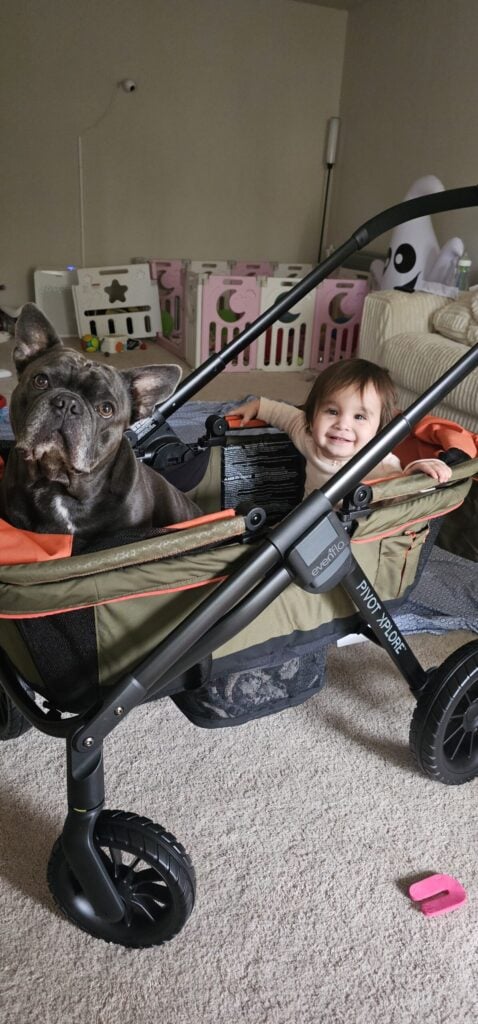
- Pulling a wagon filled with toys or books
- Wearing a backpack with toys or books (making sure it is not too heavy)
It’s important to ensure the weight is appropriate and not causing slouching or strain on the shoulders.
Movement-Based Proprioceptive Activities
Other calming activities can include setting a timer and allowing your child to jump for two to three minutes. Jumping can be done on the floor or outside in the backyard.
Jumping on beds or couches is not recommended due to the risk of injury. If using a trampoline, it’s best to have one with a holding support. In therapy settings like our clinic, trampoline use is closely monitored by a therapist to reduce injury risk.
Additional activities include wall pushups, climbing on rope ladders or stationary ladders, pillow fights, and other forms of rough play that provide deep pressure input.
Oral Proprioceptive Input
Some children may grind their teeth, want to chew on objects, or press their chin against surfaces to seek deep pressure around the jaw.
In these cases, options may include chewable tools or crunchy foods such as celery sticks, carrot sticks, chewy snacks, or chewing gum, depending on age and safety considerations.
Using Weight and Compression Safely
Additional proprioceptive input can be provided through weighted or compression tools for short periods of time. A weighted lap blanket can be placed on a child’s lap or legs to help calm the body during seated activities. Children often show whether they like the input by keeping it on or removing it. (Note: weighted blankets are not recommended for sleeping.)
Weighted vests are sometimes used, typically at about one-fourth of a child’s body weight. For example, a 40-pound child might use a 4-pound vest, starting with lower weight and increasing gradually under professional guidance.
Weighted vests are usually worn for about 30 minutes and may be used during school or while working on activities that require focus. Because children are growing and their growth plates are developing, weighted tools should not be worn for extended periods.
Again, I don’t expect you to just go and buy a weighted vest because not all kids may like it. They will refuse to wear it. They may throw it away. You want to try it under the supervision of an occupational therapist to see if they like it and if it’s helping them.
Additional Deep Pressure Strategies
Compression vests provide deep pressure similar to a firm hug, without added weight, and can also support calming. Deep pressure activities should be brief and intentional.
Other strategies may include gentle joint pressure around the wrists, elbows, or shoulders, as well as guided joint massage. These techniques should always be demonstrated and guided by an occupational therapist to avoid injury.
Therapy balls may also be used. A child may lie on their stomach while gentle pressure is applied, or they may sit and bounce lightly or rock side to side. These activities should be done carefully and not immediately after meals.
Squish play is another way to provide deep pressure in a fun, controlled way. This may include:
- Using a weighted blanket briefly on the legs or lower body
- Wrapping a child in a weighted blanket for a short “blanket burrito”
- Creating a “pillow sandwich” with gentle pressure between two pillows
Reach Out for Expert Support
Every child’s sensory needs are different. An occupational therapist can help identify which proprioceptive strategies are appropriate and how to use them safely.
If you notice signs that your child is seeking deep pressure or struggling with regulation, feel free to reach out to our team. And subscribe to our YouTube channel for more helpful videos from our therapy team on supporting your child’s development.