
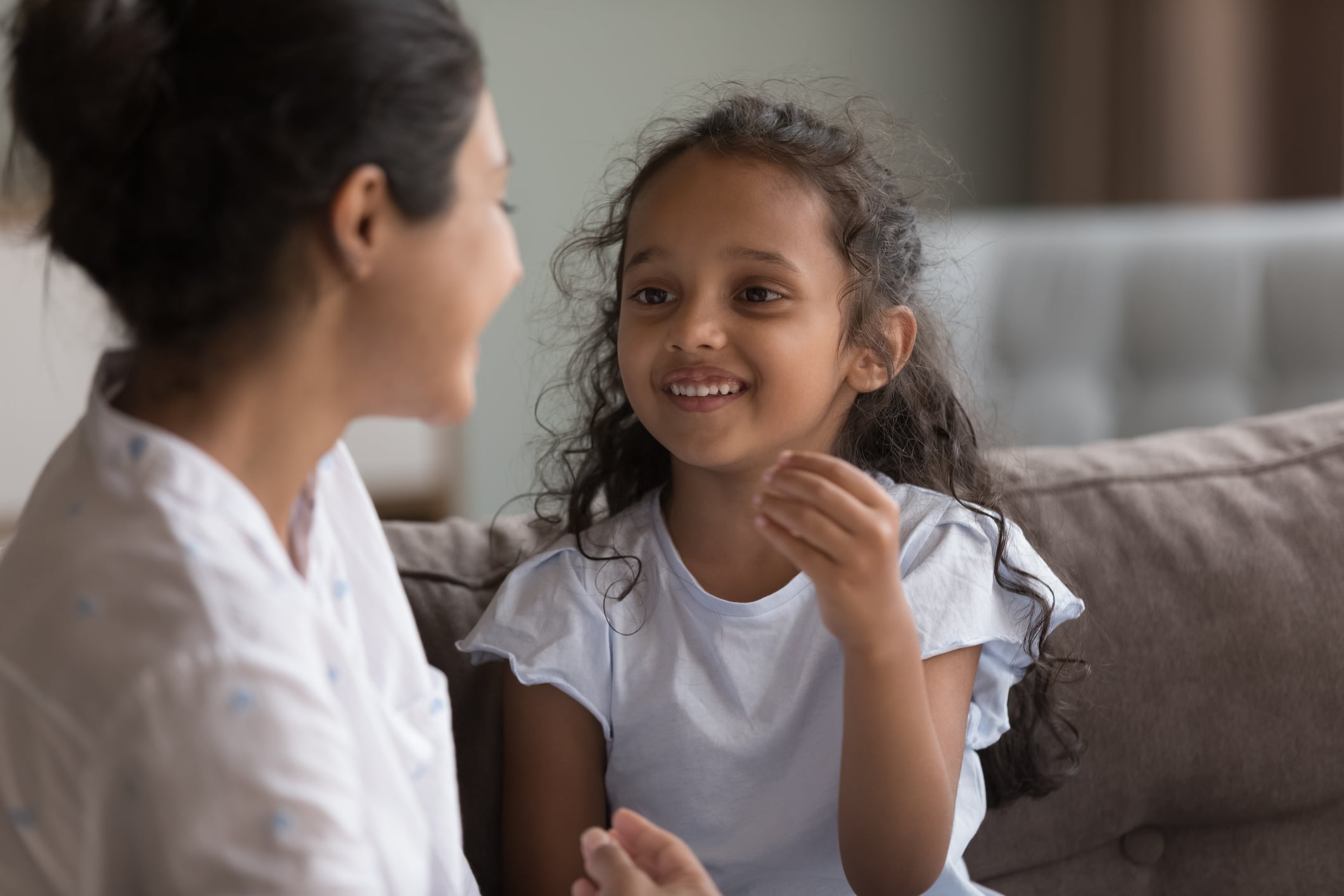
Many parents understand their child’s speech perfectly. After all, you spend more time with your child than anyone else. You hear them talk every day, and you’ve learned how they communicate. But what happens when grandparents, teachers, friends, or other children frequently have trouble understanding what your child is saying?
This is one of the most common concerns parents bring up when discussing speech development. While some speech errors are a normal part of childhood, there are times when difficulty being understood may indicate that your child could benefit from additional support.
Some Speech Errors Are a Normal Part of Development
Learning to speak clearly is a process. Young children are still developing the ability to coordinate their lips, tongue, jaw, and breath to produce speech sounds correctly.
Because of this, it is normal for young children to make some speech mistakes as they learn. For example, a child may say “wabbit” instead of “rabbit,” “nana” instead of “banana,” or leave sounds off the ends of words.
These types of speech errors are often part of normal speech development. As children grow and gain experience speaking, many of these mistakes gradually improve on their own.
Why Some Children Struggle with Speech Clarity
There are many reasons why your child might struggle with speech. Some children have articulation difficulties, which means they have trouble producing specific speech sounds correctly. For example, a child may have difficulty saying sounds like R, S, L, or TH even though they know the word they want to say.
Other children may have phonological difficulties, which means they have trouble learning and using the sound patterns that make up words. Instead of struggling with just one sound, they may consistently simplify words in ways that make their speech harder to understand.
Some children may also have challenges with oral motor skills, or using the muscles of the lips, tongue, and jaw to create speech sounds. When those movements are difficult, speech can sound unclear even when the child knows exactly what they want to say.
Signs Your Child’s Speech May Be Hard for Others to Understand
While occasional speech errors are expected, the signs that your child is actually struggling with speech clarity include:
- Family members often ask your child to repeat themselves
- Teachers mention concerns about speech clarity
- Other children have trouble understanding your child during play
- Your child becomes frustrated when trying to communicate
- Your child avoids talking because they are not being understood
How Understandable Should My Child Be at Different Ages?
Every child develops at their own pace, but there are some general guidelines speech-language pathologists use when looking at speech development. As a general rule:
- Around age 2, unfamiliar listeners should understand about 50% of what your child says.
- Around age 3, unfamiliar listeners should understand about 75% of what your child says.
- By age 4, most of your child’s speech should be understood by unfamiliar listeners.
- By age 5, children should generally be understood most of the time, even by people who do not know them well.
Keep in mind that every child may still make occasional speech errors while learning new sounds. The question is whether those speech errors are making it difficult for other people to understand them.
A 2-year-old who occasionally says “wabbit” instead of “rabbit” is very different from a 5-year-old whose speech is difficult for teachers, relatives, and peers to understand on a regular basis.
When Should Parents Seek an Evaluation?
Parents often become very skilled at interpreting their child’s speech, even when it is unclear to others. If teachers, caregivers, relatives, or peers frequently struggle to understand what your child is saying, it may be worth taking a closer look.
You may also want to consider an evaluation if your child becomes frustrated when communicating, seems less confident when speaking, or if speech difficulties are affecting their ability to participate socially or academically.
An evaluation can help determine whether your child’s speech development is progressing as expected or if additional support would be beneficial.
How Speech Therapy Can Help
Speech therapy helps children develop the skills needed to communicate more clearly and confidently. Through individualized activities and practice, children can improve speech sound production, increase intelligibility, and build confidence in their communication skills.
At JLD Therapy, we take the time to understand your child’s unique strengths and challenges so we can create a plan that supports their communication goals.
If you’re wondering whether your child’s speech is developing as expected, we’re here to help. Our team can evaluate your child’s speech skills, answer your questions, and help you determine the best next steps for your family.