
Helping your toddler communicate doesn’t always require full sentences. Simple sign language signs can give young children a way to express their needs, reduce frustration, and build early communication skills.
My name is Zach, and I’m an occupational therapy student here at Joy and Laughter Developmental Therapy Clinic. And today, we are going to go over six easy sign language signs to teach your toddler.
1. How to Say “More”
The next easy sign to teach a toddler is “all done.” To do this, you’re going to first, hold up your hands with your palms facing out. Then, turn your palms so they’re facing you. Lastly, turn your palms again to be facing out.
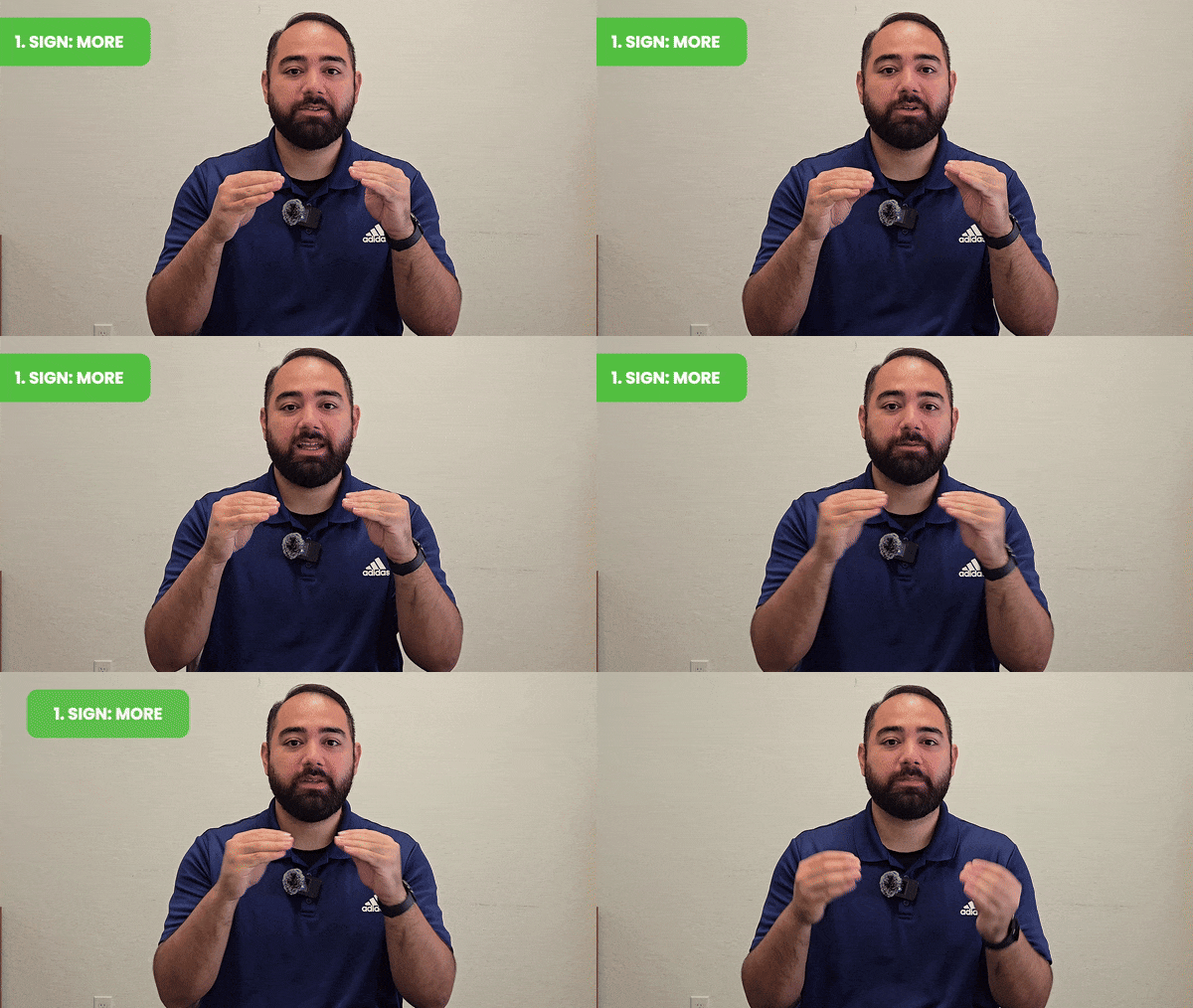
This sign is especially helpful because it allows your toddler to communicate that they want more of something—such as more food, more playtime, or more time with a preferred toy. In addition, this should also help further develop your toddler’s receptive language skills before they’re able to communicate in full sentences.
2. How to Say “All Done”
The next easy sign to teach a toddler is “all done.” To do this, you’re going to first, hold up your hands with your palms facing out. Then, turn your palms so they’re facing you. Lastly, turn your palms again to be facing out.
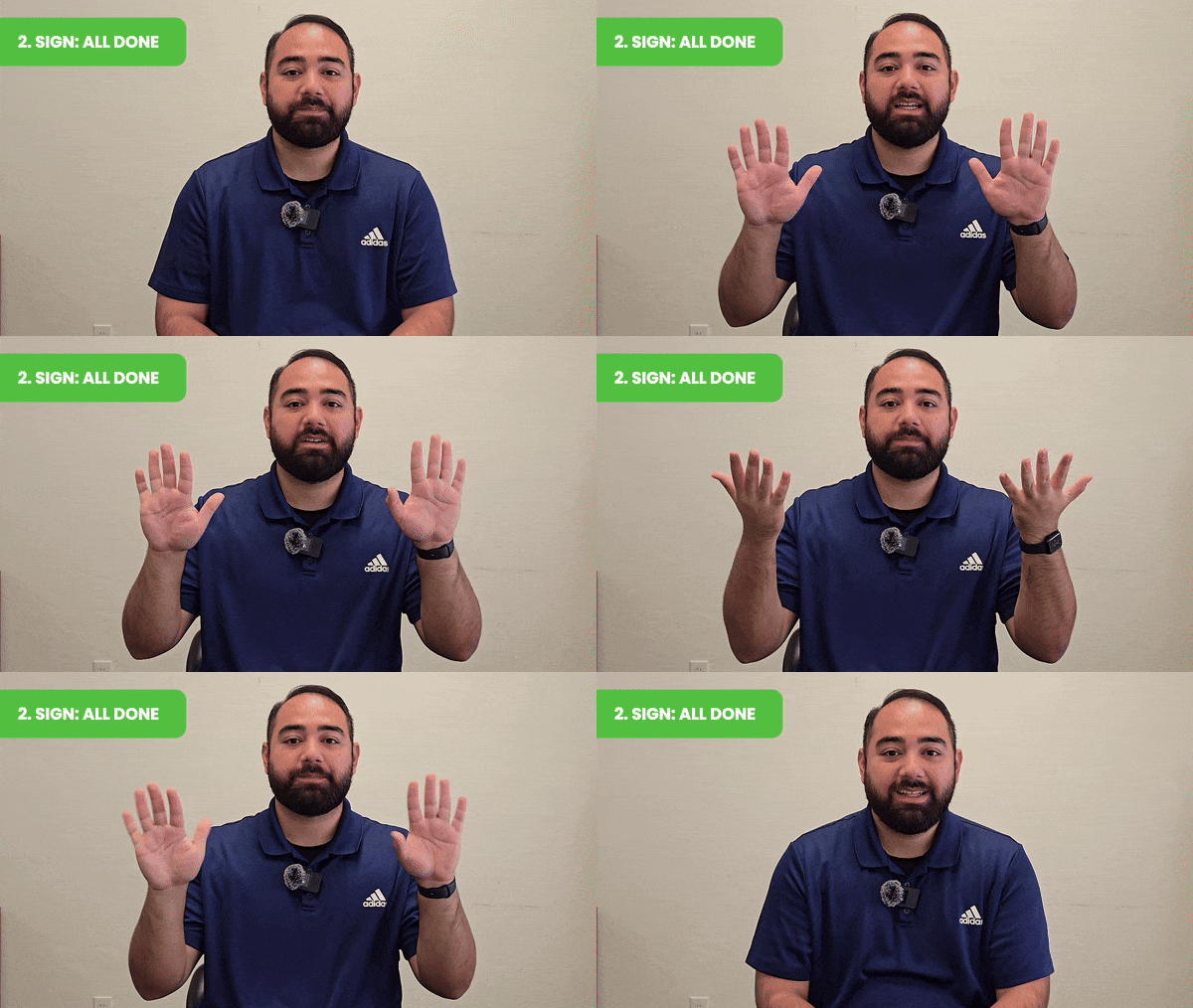
This is a very useful sign to teach a toddler as it could help them communicate that they’re all done with their food, play, or adult-led task. In addition, the parent can say “all done” to the toddler, and over time, they could either nod or sign back “all done” back to show they understand.
3. How to Say “Eat”
The next easy sign to teach your toddler is how to say “eat.” To do this, you’re going to flatten your fingers and put your thumb underneath (like a crocodile mouth), bring your finger tips toward your mouth, and then pull them away.
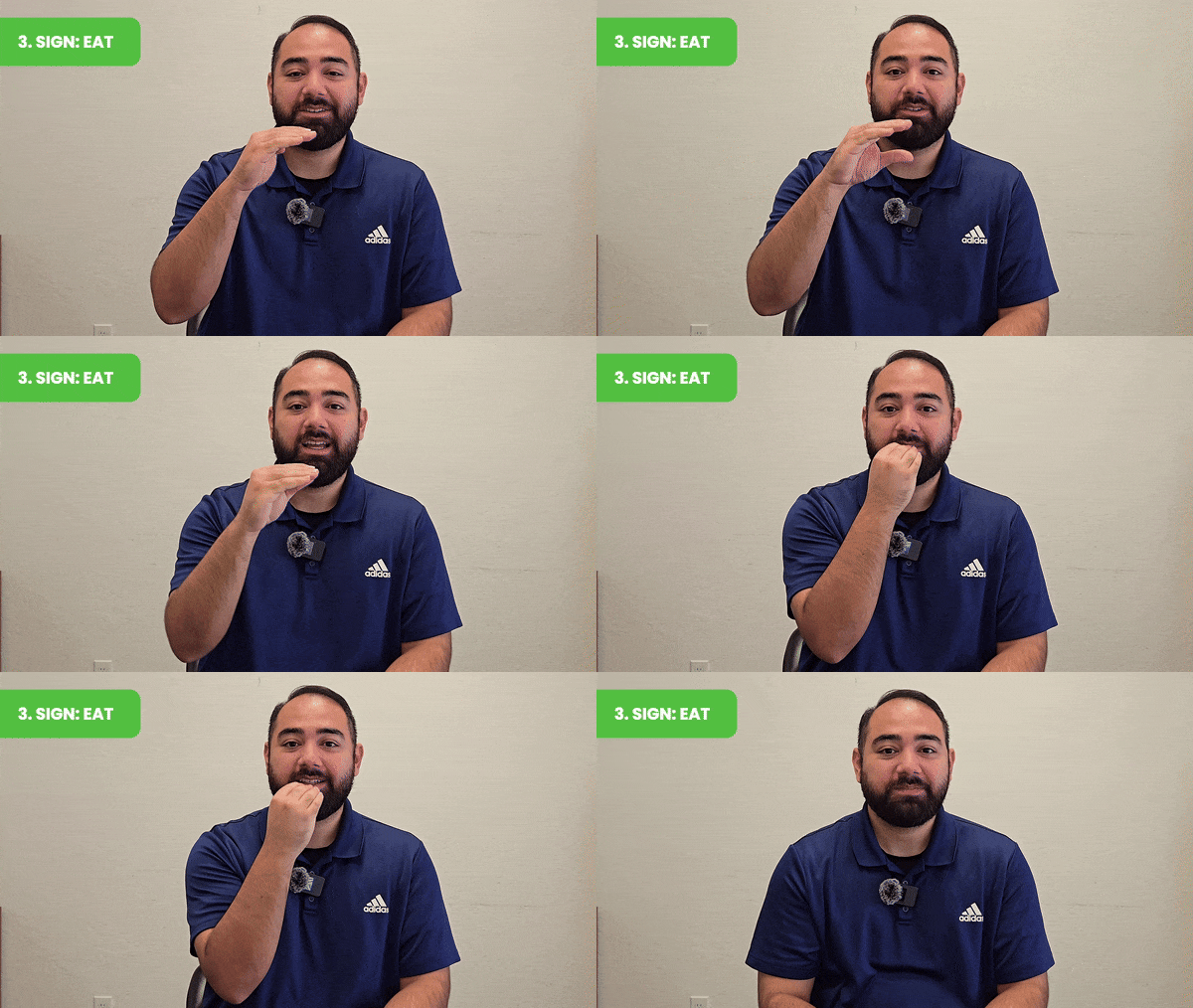
This sign is very important as it could help your toddler communicate and gain autonomy and independence on wanting more food to eat during mealtimes. In addition, knowing this sign could also reduce stress during mealtime for both the parent and the toddler, as now there can be clear communication on whether or not they’re hungry or they’re full.
4. How to Say “Drink”
Another easy sign to teach your toddler is how to say “drink.” This one is very simple: you hold up your hand like you are holding a glass, and tilt it toward your mouth as though you’re drinking it.
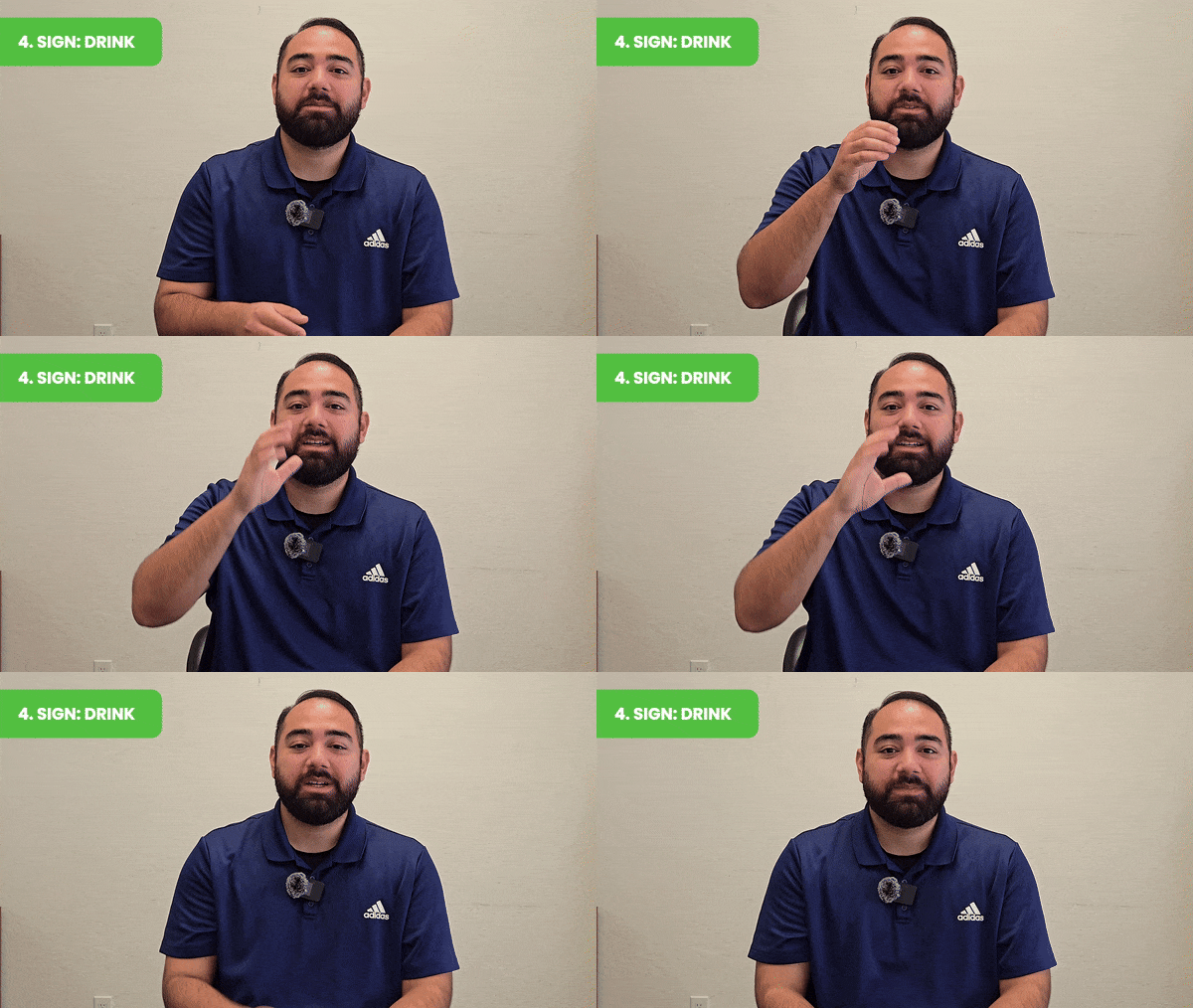
This sign is important as it could help you understand whether or not your toddler needs a drink during mealtime, throughout the day, or especially while playing or engaging in movement-based activities where they might get thirsty.
5. How to Say “Break”
The next easy sign to teach your toddler is how to ask for a “break.” To do this, you’re going to take your hands, put them together (like you’re holding a bundle of spaghetti or a stick), and rotate your hands to mimic breaking the bundle in half.
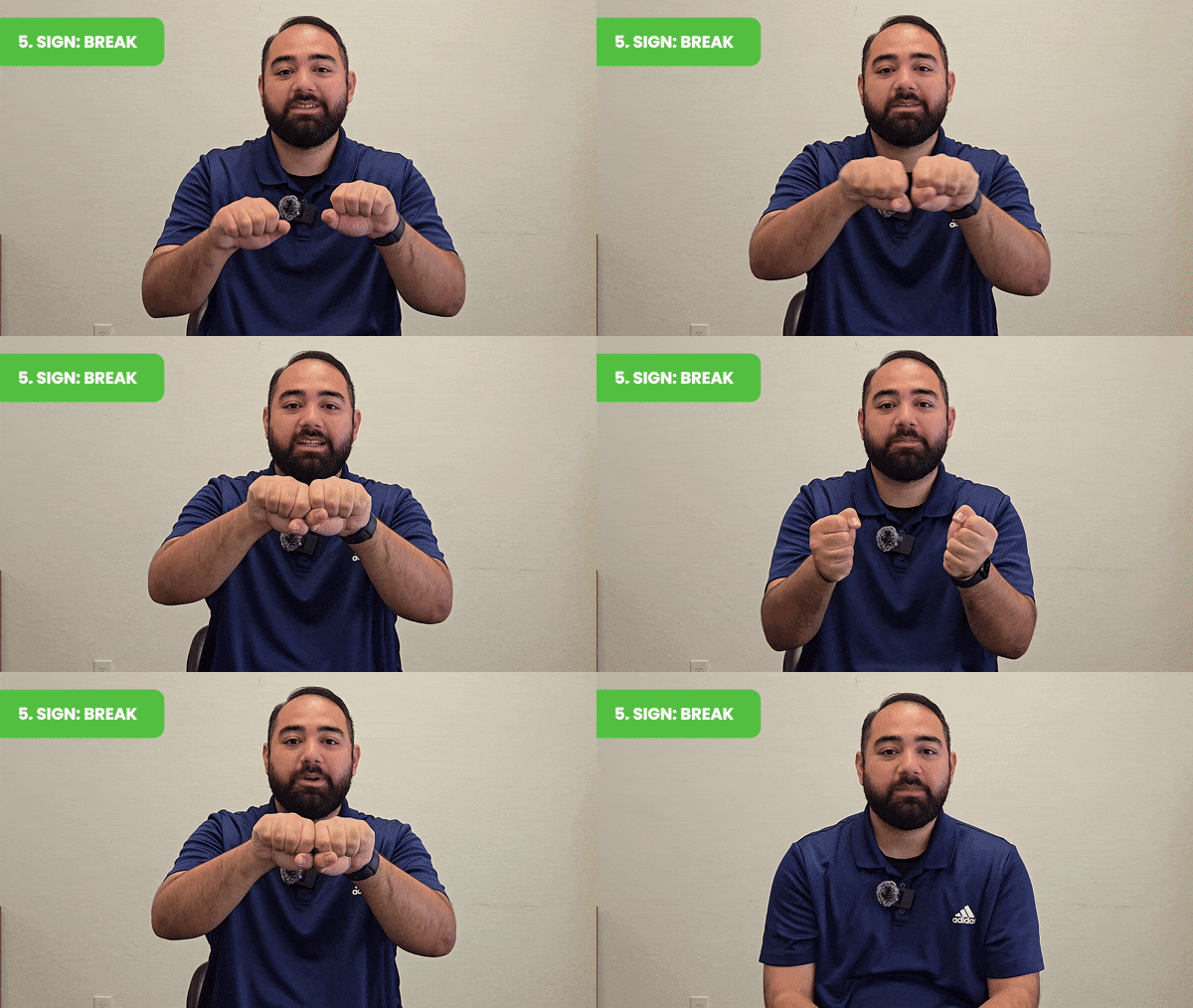
This sign could help your toddler communicate to you that they need a break from a meal, a play activity, or an adult-led task. This could also foster connection between the toddler and the parent as it teaches them that, once they indicate that they need a break, they’ll get it. It may be just a sensory break, or a quick rest from a task; but your child will know they can ask and you will understand.
6. How to Say “Help”
The last easy sign to teach your toddler is how to ask for “help.” To do this, you’re going to hold out your left hand with the palm facing up. With your right hand, make the “thumbs up” sign. Then place your right hand down on your left palm. (It may help to think of your left hand as a plate, your right fist is a cupcake, and your thumb is a candle. To ask for help, you have to put the cupcake on the plate.)
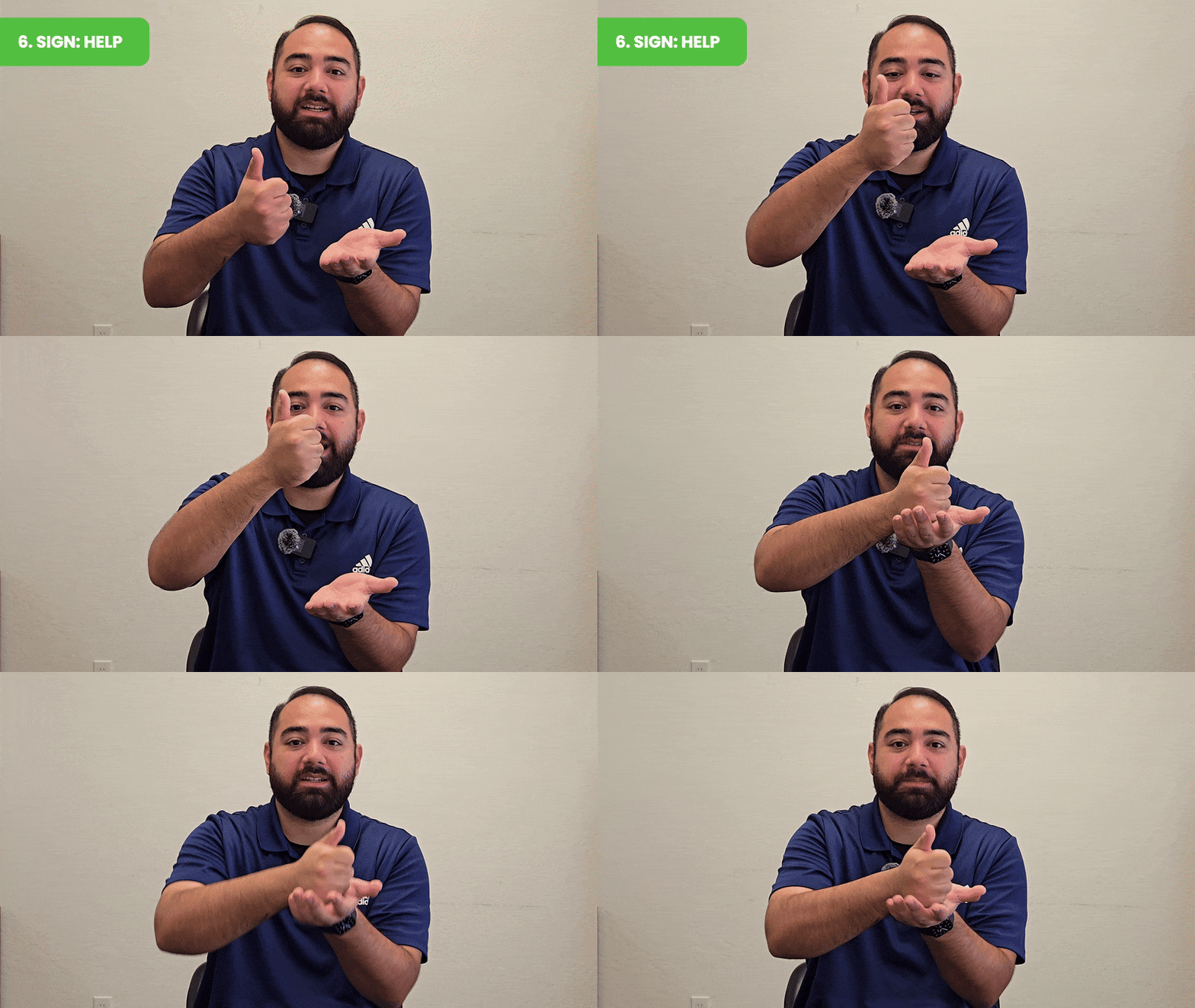
This is an important sign as asking for help can be utilized in a variety of ways. It works during mealtime when your toddler is trying to grab a food item, or during a play task where they might not be able to open a certain play item that they want to get to. And this could also help build emotional regulation as, during a very hard task, it gives toddlers a way to communicate their needs instead of becoming frustrated or overwhelmed.
Tips for Teaching Sign Language to Your Toddler
I would also like to mention that it’s important for parents and caregivers to use and model sign language during daily routines, especially in the moment during play or tasks. Signing while talking helps toddlers learn when and how to use each sign appropriately.
By consistently modeling these signs, parents can help their toddlers practice communication in real-life situations and understand the cues for using each sign.
Get Expert Support for Your Child
Teaching simple sign language can be a powerful first step in supporting your toddler’s communication. If you’d like guidance tailored to your child’s specific needs, our occupational therapists at Joy & Laughter Developmental Therapy Clinic are here to help.
Contact us today to learn more about our services and how we support communication development through everyday activities. And subscribe to our YouTube channel for more helpful videos from our therapy team on supporting your child’s development.